

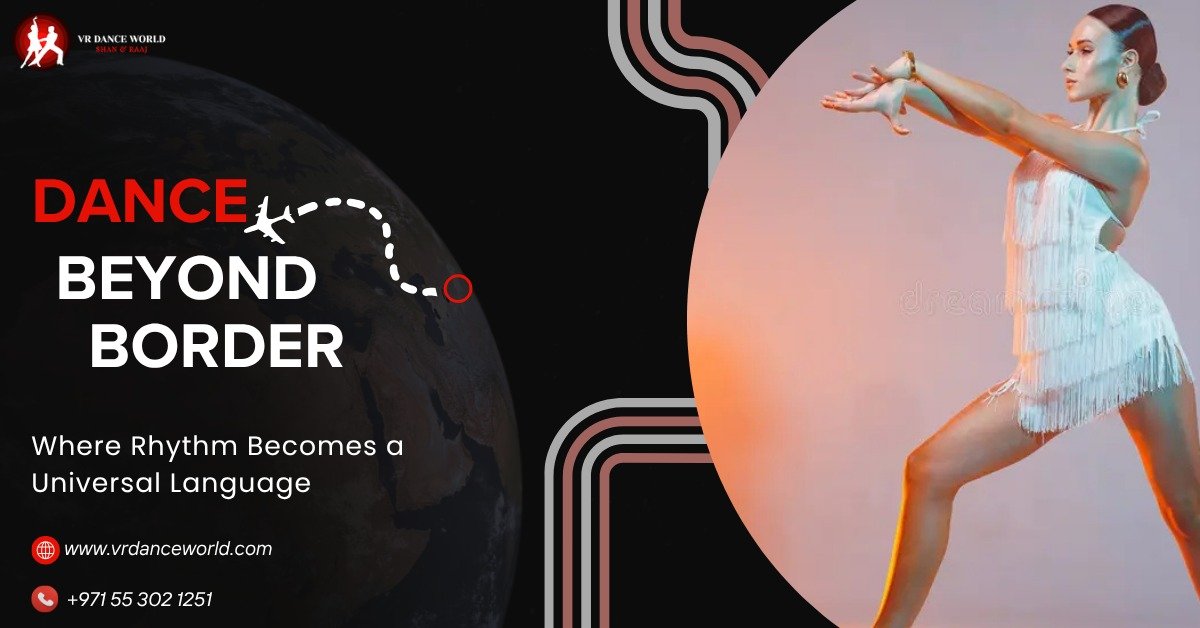
Dance is one of the few languages in the world that doesn’t need translation. Whether it’s a sharp salsa beat, a soft bachata rhythm, or a lively jive tempo—movement speaks directly to emotion. The language of partner dancing is in the lead and follow, musicality and footwork.
Across cultures, music follows patterns, often built on 8-count structures, yet each style expresses a completely different personality. This is where dance becomes powerful—it connects people through shared rhythm, not shared language.
At its core, dance is not just steps. It is musicality, timing, body awareness, and emotional expression working together. Once a dancer understands how to connect footwork with music and right lead and follow everything changes—movement becomes natural, clean, and expressive.
The Universal Language of Rhythm & Musicality
At the core of every dance form lies musicality—the ability to understand beats, counts, and timing.
Most global music follows structured 8-count patterns, where movement is aligned with rhythm:
- Salsa: 1, 2, 3 — pause — 5, 6, 7
- Bachata: smooth 8-beat flow with body rhythm
- Cha Cha: crisp syncopated timing
- Rumba: emotional slow beats of 2,3,4a1
Understanding these counts is what transforms basic steps into expressive dancing. The rhythm adds further emotion in motion. When dancers learn to feel the music instead of just follow it, movement becomes natural, clean, and connected.
This structured approach to musicality is what allows beginners to progress faster with clarity and confidence.
Dance Styles, Personalities & Cultural Expression
Every dance style reflects personality traits and cultural energy:
- Salsa & Cha Cha – energetic, expressive, social
- Bachata – emotional, connected, smooth
- Tango – dramatic, controlled, powerful
- Jive – playful, fast, high-energy
This diversity allows dancers to explore different sides of themselves while respecting rhythm and partner connection.
How Different Cultures Experience Dance Uniquely
Different communities connect to dance in different emotional ways:
- Russian dancers often bring strong discipline, precision, and expressive technique. They naturally adapt to structured learning environments that focus on control, musical accuracy, and partner connection. The love the Latin Ballroom styles as well as the Salsa Bachata.
- Chinese dancers tend to value refinement, repetition, and technical mastery. They often progress quickly when musical timing and structured lead-follow clarity is introduced from day one.
- British dancers usually embrace social dance culture—freedom, fun, and improvisation. They enjoy styles like salsa, jive, and cha-cha for social interaction and energy.
- Arabic dance lovers connect deeply with rhythm, expression, and storytelling through movement. They often resonate with fluidity, musical emotion, and strong cultural musical appreciation.
- Indian Dance lovers connect to dancing socially: the Jive, Salsa, Bachata. They are committed to regularity, consistency and community building.
Despite these differences, all dancers share one thing in common: the desire to feel music through movement, not just learn steps.
The VR Dance Philosophy: Learning Beyond Boundaries
Modern dance culture is no longer limited by geography. It is shaped by shared spaces where people from different backgrounds learn together, grow together, and perform together.
VR Dance represents this shift—a multicultural dance environment in Dubai where no nationality dominates, and every style is respected. We however have a stronger spread of students hailing from UK, India, Russia, Europe (Spanish, French, Ukrainians ) and Emiratis in the private lessons. We have seen a recent surge in people moving from China and Singapore.
It is not about where you come from—it is about how you move with music.
This environment naturally attracts:
- International expats seeking structured learning
- Social dancers looking for cultural connection
- Beginners wanting clarity in musical understanding
- Advanced dancers refining technique and performance
Here, dance becomes a shared identity—not a cultural divide.
Why This Matters in Today’s World
Dance is no longer just performance—it is:
- A social connection tool
- A cultural bridge
- A confidence-building practice
- A global community experience
In multicultural environments like Dubai, it naturally becomes a shared space where different rhythms and personalities don’t clash—they complement each other.
FAQ
1. Why is musicality important in dance?
Musicality helps dancers understand timing, rhythm, and structure, making movements cleaner and more expressive.
2. Can beginners from different backgrounds learn together?
Yes. Dance is universal, and structured teaching allows all learners to adapt regardless of culture or experience. Even when one is not well versed in English, our teachers have been able to break the language barrier through their precise and structured teaching methods.
3. What makes social dance styles like salsa and bachata popular globally?
They are easy to connect with socially, built on simple rhythm structures, and allow expressive partner interaction.
4. How does culture influence dance style?
Different cultures influence energy, posture, expression, and interpretation of rhythm in dance.
5. What makes a multicultural dance community valuable?
It builds understanding, respect, and shared learning experiences across different personalities and backgrounds.
